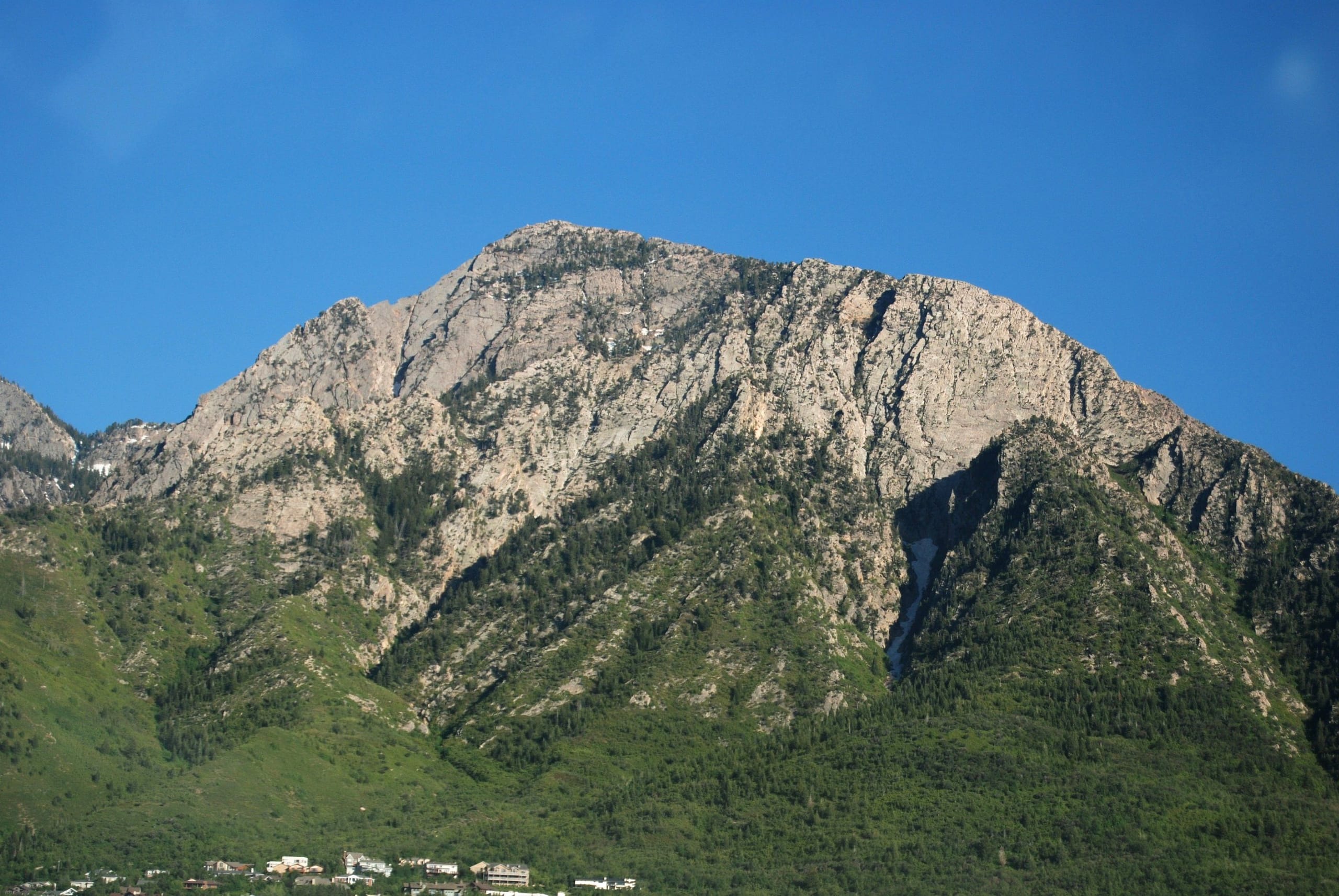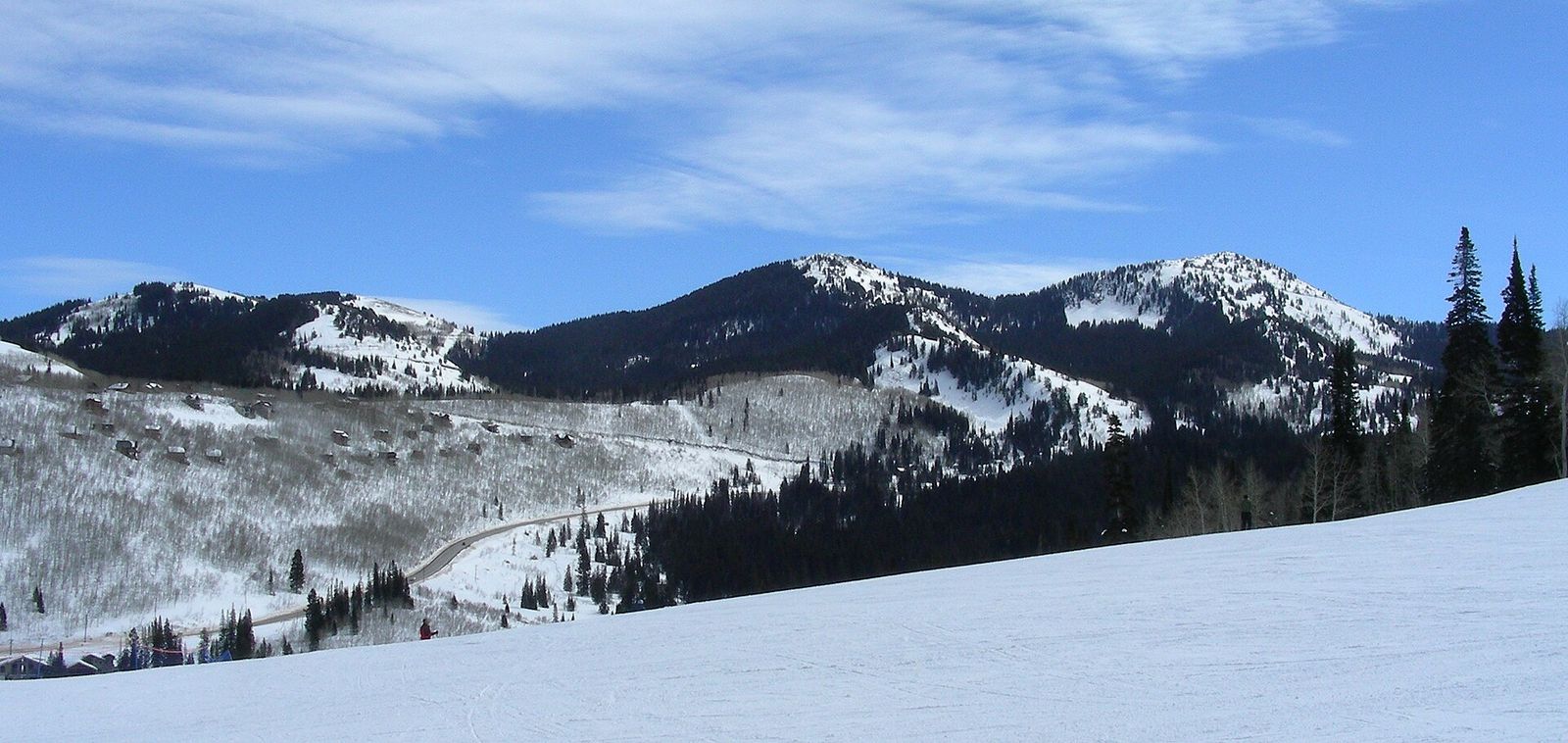
If you live in Cottonwood Heights, Holladay or Millcreek, the canyons are close enough that a powder day can be a spur of the moment decision. Before winter, it pays to know what the Utah Department of Transportation asks of your car in Big and Little Cottonwood Canyons, and what your auto policy says about the trip.
What the traction law asks of your car
UDOT runs a traction law for Big and Little Cottonwood Canyons. UDOT announces when the requirements are in effect, and its Cottonwood Canyons page lists what your vehicle needs. In UDOT’s own words:
- Tread: “At least 5/32 inch tread depth on all wheels if you’re relying on tires and not using traction devices.”
- Four-wheel and all-wheel drive: “4WD/AWD: M+S or 3PMSF tires on all wheels or traction devices on at least two drive wheels.”
- Two-wheel drive: “2WD: 3PMSF tires on all wheels or traction devices on both drive wheels.”
M+S is the mud and snow marking on a tire’s sidewall. 3PMSF is the three-peak mountain snowflake symbol. Chains are the traction device most people picture. UDOT’s page lists the other kinds it accepts.
UDOT’s page also covers enforcement and advice for rental cars. Rules and dates can change from one season to the next, so check UDOT’s Cottonwood Canyons page or its alerts before you head up.
A quick tire check at home
You do not need special tools to start. Look at the sidewall of each tire for the M+S marking or the mountain snowflake symbol. For tread depth, a tire shop can measure it in a minute, and many will do it while you wait. If you are close to the line, it is better to find out in the driveway than at the mouth of the canyon.
What to check on your auto policy before winter
Winter driving in the Wasatch is a good reason to read your own policy, whether you head up the canyons or just commute across the valley. Policies of this type typically split damage to your own car into two parts:
- Collision. Usually the part of the policy that responds when your car hits another car or an object, like a guardrail on an icy curve.
- Comprehensive. Usually the part that responds to other kinds of damage, such as a falling rock or a tree limb under heavy snow.
Each of those has its own deductible. Check yours now, so you know what you would pay first if something happened.
Two more lines are worth a look:
- Towing or roadside assistance. If your car slides off the road, a tow from a canyon is a different job from a tow across town. Whether your policy includes towing, and how much, varies by carrier.
- Rental reimbursement. If your car is in the shop after a winter claim, this optional coverage may help with a rental for a set number of days. It is only there if you chose it.
Terms vary by carrier, so treat all of this as general and ask us to check your own policy. Tires, chains and other equipment are generally maintenance rather than something an auto policy pays for.
Liability on the canyon road
Liability coverage is the part of your policy that pays for harm you cause to other people. On a busy canyon road with a lot of cars close together, it is worth knowing your limits. You can see the Utah minimums in Utah’s minimum auto insurance limits, and our auto insurance page explains how the parts of a policy fit together.
Getting your car winter ready
- Check tread depth and the sidewall markings on every tire.
- Keep chains or socks in the car if your tires do not meet the rule on their own, and practise putting them on in the driveway.
- Keep a scraper, a blanket, water and a phone charger in the car.
- Read your declarations page once and call us with anything that is unclear.
We work with drivers from Cottonwood Heights, Holladay and Millcreek on exactly this every fall.
What to do next
If you would like us to look at your policy before winter, or you want a fresh quote, start an auto quote here or call (385) 381-3811. We are on Murray Holladay Road, Monday to Friday, 9:00am to 6:00pm, and Saturday by appointment.