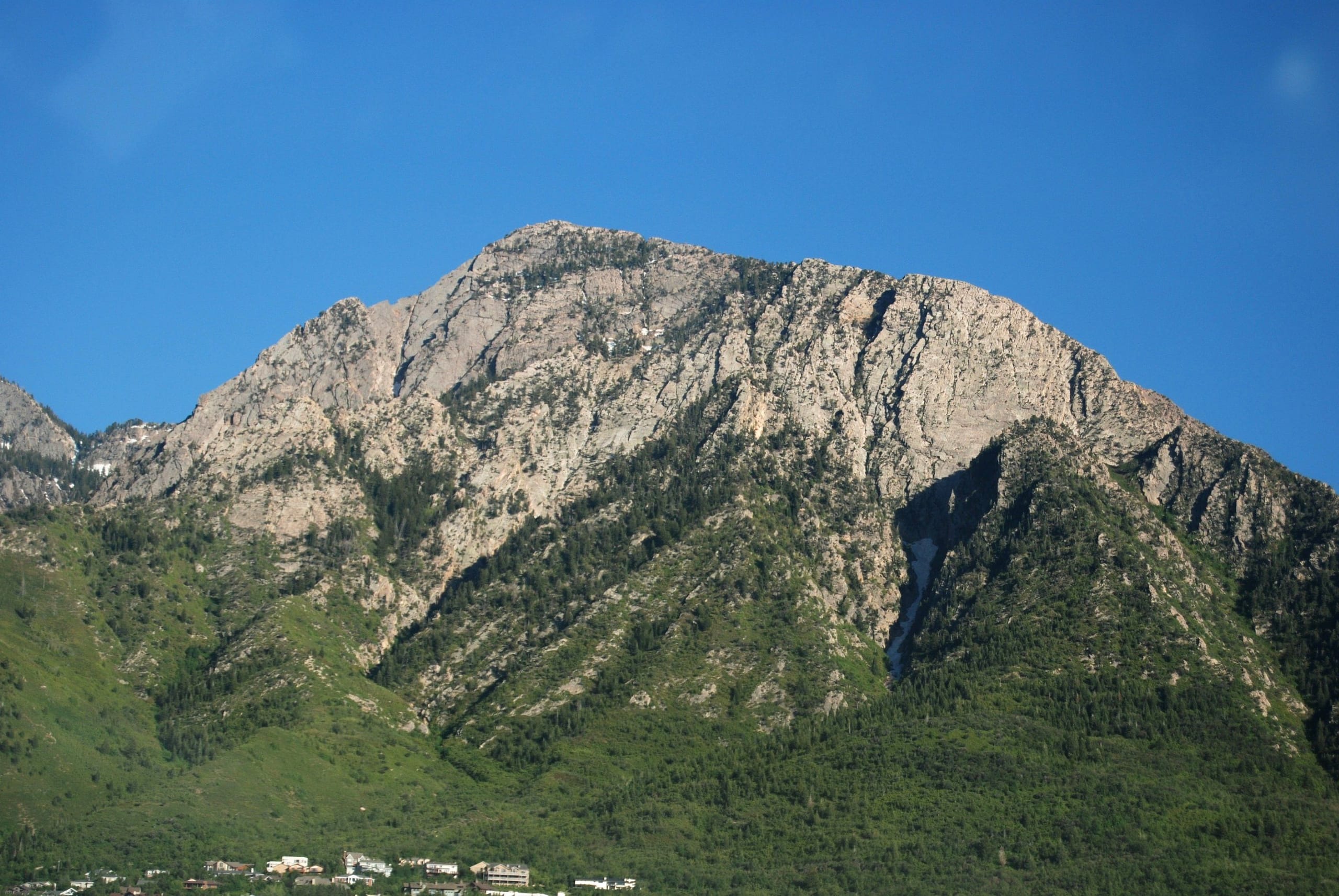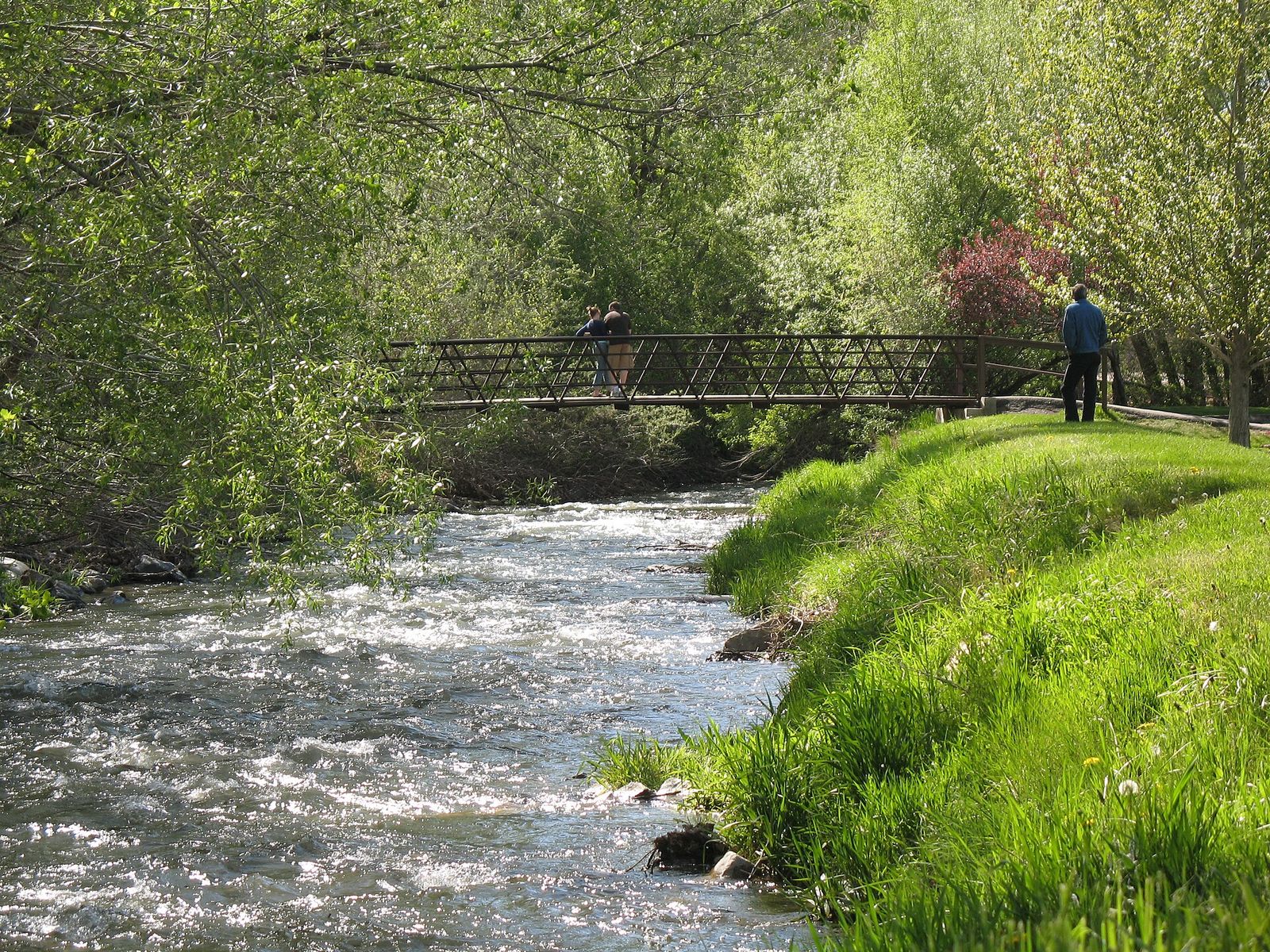
Flood is one of those coverages people assume they have until they need it. In the Salt Lake Valley, creeks run out of the canyons and across the valley floor, and spring runoff and summer storms are part of life here. Here is how flood insurance works, and why timing matters more than most people expect.
Flood is a separate policy
A standard homeowners policy and a flood policy are different contracts. Homeowners policies of this type typically do not respond to flood, and flood coverage is bought on its own. Terms vary by carrier and policy, so ask us to check what your current homeowners or renters policy says.
Many flood policies are written through the National Flood Insurance Program, or NFIP, which FEMA manages. Private flood policies exist too. Which one fits depends on the property, and it is part of the conversation we have with you.
The 30-day waiting period
This is the part that catches people out. FEMA puts it plainly: “Typically, there’s a 30-day waiting period from date of purchase before your policy goes into effect.”
In practice, that means you cannot wait until the snowpack looks big or the forecast turns stormy and buy a policy the same day. If the water arrives in the first month, a new policy is not yet in force.
FEMA also lists exceptions to the waiting period. Whether one applies depends on why and when you are buying, for example in connection with a home loan. We will look at your situation and tell you plainly whether any exception fits.
What an NFIP policy typically covers
NFIP policies for a home are usually written in two parts, and you choose limits for each:
- Building coverage. The structure itself and the systems that make it work, such as the furnace, water heater and electrical system.
- Contents coverage. Your belongings. This is a separate choice, and it is the part renters can buy too.
Basements are a common point of confusion. Policies of this type typically limit what they will pay for items in a basement, and the details are specific. If your home has a finished basement, ask us to walk through what the policy says about it.
Do you need flood coverage if you are not near a river?
Flood is not only about rivers. Water from heavy rain, snowmelt or a blocked storm drain can reach a home far from a mapped flood zone. A lender may require flood coverage for some properties, and for others it is your choice. The flood map is one input. How the lot sits, where the water goes in a storm, and what is in your basement are others.
We will not tell you a property is safe from flooding, because nobody can. What we can do is explain the coverage and the waiting period, so you decide with the facts in front of you.
When to look at it
The useful window is well before you need it. Fall and early winter, before the snowpack builds, is a good time to talk about flood coverage. So is the week you close on a home.
If you already have a flood policy, check its renewal date. Our guide to how to read your declarations page explains where to find it.
What to have ready
- The property address
- Whether you own or rent, and whether there is a basement
- Your current homeowners or renters declarations page
- An elevation certificate, if you have one from a purchase or a survey
We work with homeowners and renters in Cottonwood Heights, Holladay, Murray and Millcreek, and our flood insurance page covers the basics.
What to do next
Ask us about flood coverage here or call (385) 381-3811. We are on Murray Holladay Road, Monday to Friday, 9:00am to 6:00pm, and Saturday by appointment.